Veterinary Dentistry in Denver CO
A guide to choosing a veterinary dentistry provider in Denver, covering what dental care involves, warning signs to watch for, and how to compare 75 local practices.
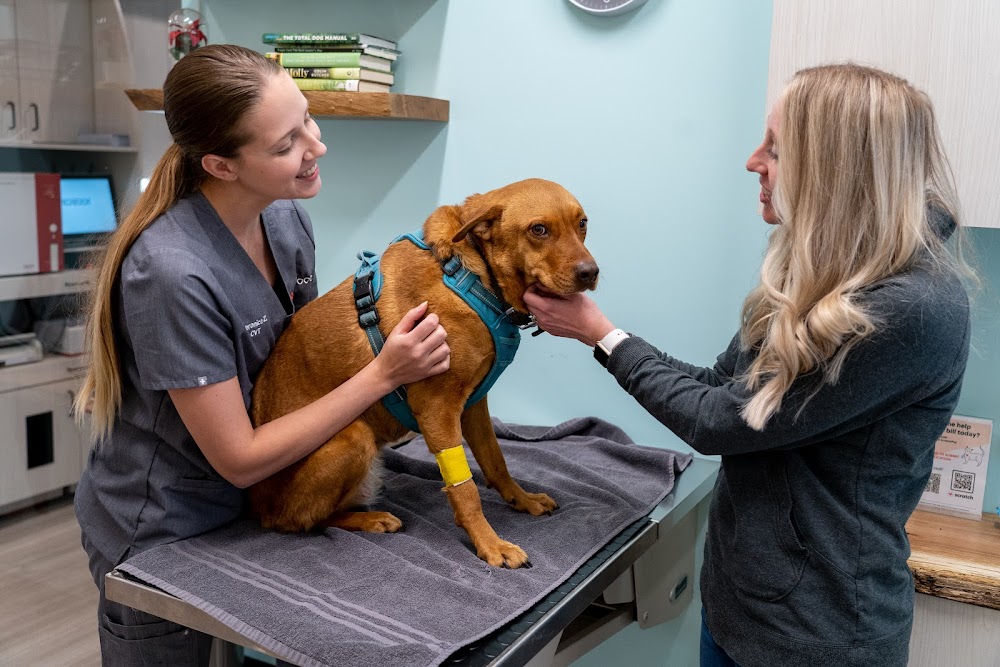
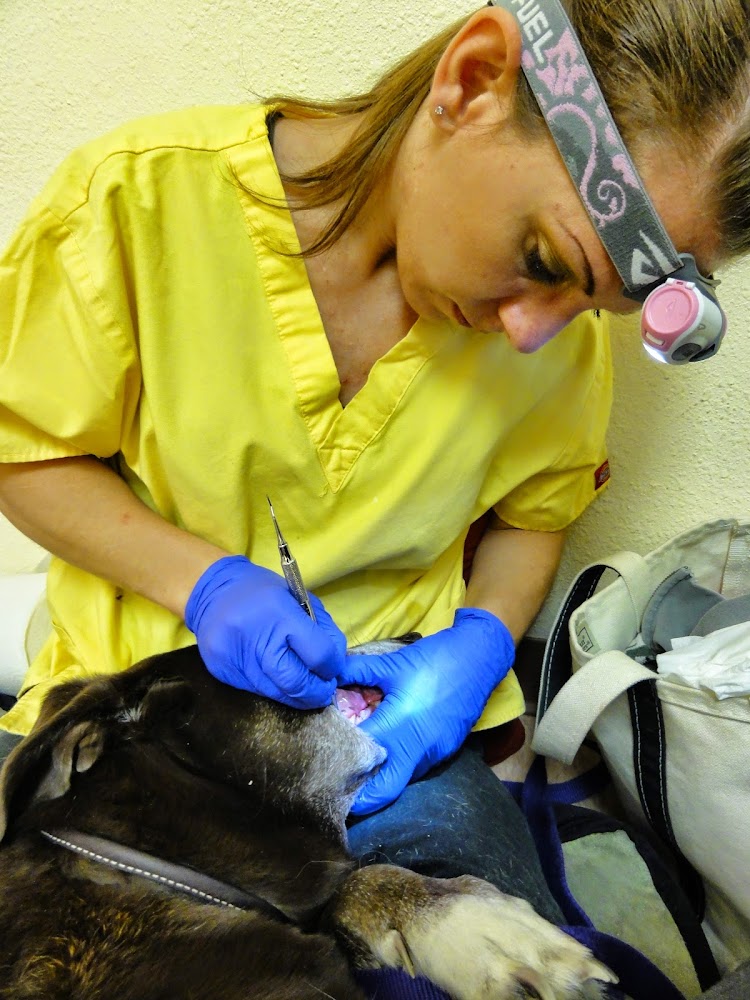
Veterinary dentistry covers a lot more than a quick teeth cleaning. It includes dental exams under anesthesia, full-mouth X-rays, scaling and polishing, extractions, and treatment for periodontal disease, broken teeth, and oral masses. Denver has 75 practices offering some level of dental care, ranging from general vets who handle routine cleanings to specialists equipped for root canals, orthodontics, and oral surgery.
Dental disease is one of the most common health problems in dogs and cats, and it's also one of the most overlooked. Bad breath, yellow or brown buildup on the teeth, bleeding gums, or a pet that suddenly avoids hard food or chews on one side of the mouth are all signs worth getting checked out. Left untreated, periodontal disease doesn't stay in the mouth. It can affect the heart, kidneys, and liver over time.
When comparing providers, look for practices that take dental X-rays as a standard part of every procedure, not just when something looks obviously wrong. A lot of disease hides below the gumline and won't show up on a visual exam alone. Ask whether a licensed vet or a boarded dental specialist is doing extractions, what anesthesia monitoring looks like, and how they handle pain management afterward.
Our scoring weighs things like patient reviews, transparency about pricing and procedures, and consistency of care to help narrow down 75 options into a shortlist worth calling. For a full ranked list of Denver veterinarians, see our best veterinarians guide, and check our methodology for how we score and rank every practice.
All veterinary dentistry, by score
75 businesses. Filter and sort below, or open the full map view.





























Common questions about veterinary dentistry
- How much does a dental cleaning cost for a dog or cat in Denver?
- A routine dental cleaning under anesthesia typically runs a few hundred dollars, but the total climbs quickly if X-rays, extractions, or bloodwork are needed. Practices vary widely in how they bundle these costs, so ask for a written estimate that breaks out the exam, anesthesia, imaging, and any anticipated extractions before you agree to a date.
- How often does my pet need a dental cleaning?
- Most vets recommend a professional cleaning once a year for adult dogs and cats, though smaller breeds and cats prone to dental disease may need it more often, and some pets with good home care can go longer between visits. Your vet can give you a better timeline based on tartar buildup and gum health at each exam.
- What should I expect during a veterinary dental procedure?
- Your pet will be under general anesthesia so the vet can safely probe each tooth, take X-rays, and clean below the gumline where most disease actually lives. Expect a pre-anesthetic exam and bloodwork beforehand, a few hours of monitored recovery afterward, and possibly pain medication or a modified diet for a few days if any teeth were removed.
- How can I tell if a vet is good at dental care versus just offering it as an add-on?
- Ask whether dental X-rays are standard practice for every cleaning, not just extractions, and ask who performs surgical extractions if your pet needs one. Practices that explain their anesthesia monitoring and pain protocols in detail, rather than giving vague answers, are usually the ones putting real resources into dental care.